    How-To

    Environmental Compliance for UK Boatyards

    Navigate environmental regulations for marine operations. From waste management to pollution prevention, stay compliant while protecting waterways.

    10 January 202513 min readPayCamp Yards Team

    Share this article:

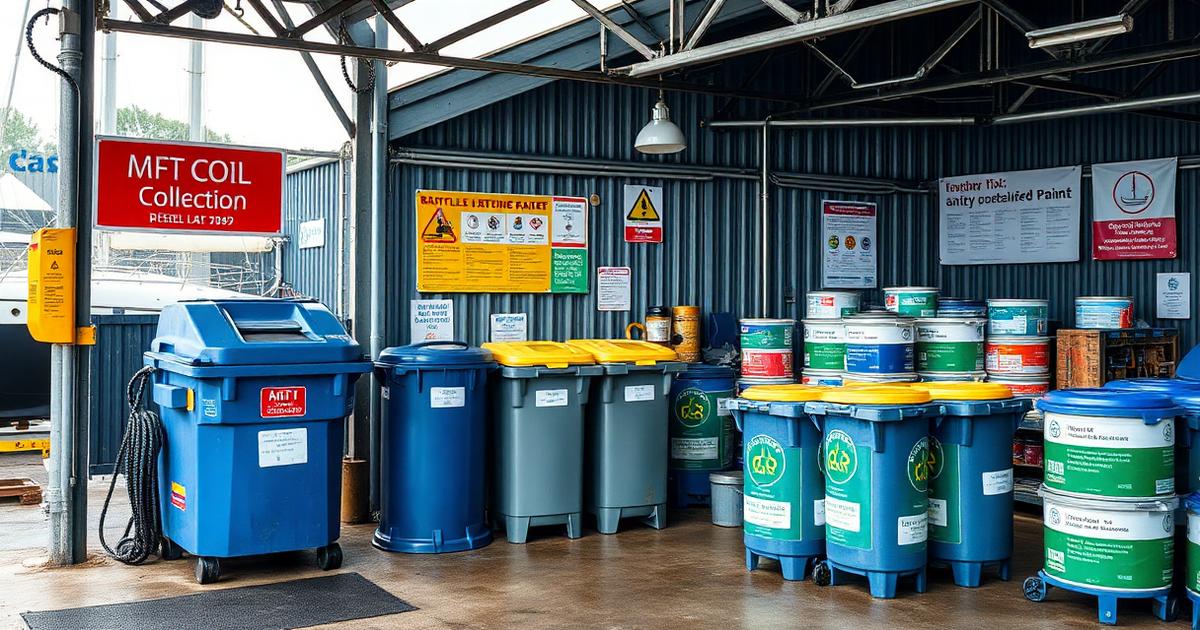
    Boatyards sit at the interface between industry and sensitive marine environments. The activities that keep boats afloat—antifouling, painting, engine work, fuel handling—create pollution risks that require careful management.

    Understanding Your Environmental Obligations

    Primary Environmental Legislation

    • Environmental Protection Act 1990: Duty of care for waste
    • Environmental Permitting Regulations: Permits for certain activities
    • Water Resources Act: Protection of waterways from pollution
    • Control of Pollution (Oil Storage) Regulations: Oil storage requirements
    • Hazardous Waste Regulations: Handling of hazardous materials

    Stay Compliant

    Built-in support for UK regulations and data protection requirements.

    Pollution Prevention

    Water Pollution Prevention Measures

    • Containment: Bunded areas for fuel storage and hazardous materials
    • Drainage: Oil-water separators on surface water drains
    • Spill equipment: Absorbent materials, booms readily available
    • Wash-down areas: Contained areas with appropriate drainage
    • Fuel handling: Attended fuelling, drip trays, overflow prevention

    Ready to ditch the paper job cards?

    Purpose-built for UK boat yards. Start your 14-day free trial — no credit card required.

    Waste Management

    Hazardous Waste

    • • Waste oil and filters
    • • Antifouling scrapings
    • • Solvent contaminated rags
    • • Lead-acid batteries
    • • Certain paints and varnishes

    Non-Hazardous Waste

    • • General refuse
    • • Clean cardboard and paper
    • • Uncontaminated wood
    • • Clean metal scrap
    • • Plastic packaging

    Incident Response

    Environmental Spill Response

    1. 1. Stop the source: Prevent further release
    2. 2. Protect waterways: Deploy booms to prevent water contamination
    3. 3. Contain the spill: Use absorbents, prevent spread
    4. 4. Report immediately: Environment Agency incident hotline 0800 80 70 60
    5. 5. Clean up: Collect contaminated materials properly
    6. 6. Document: Full incident record, photos, actions taken

    Record Keeping

    • Waste transfer notes: Keep for 2 years minimum
    • Hazardous waste consignment notes: Keep for 3 years minimum
    • Returns to Environment Agency: If producing >500kg hazardous waste/year
    • Training records: Document all environmental training
    • Inspection logs: Equipment and containment checks

    Frequently Asked Questions

    Written by

    Hamish Lowry-Martin

    Founder & Lead Developer

    Fourteen years living aboard, thirty years in IT, and five years supporting dealer management systems in the motor trade — back to configuring FoxPro-based dealer systems in 1998. Hamish has spent a long time on the customer side of a yard office, which is why PayCamp Yards is built for both sides of the counter.

    Learn more about our team →

    Document Your Compliance

    Track environmental records alongside all your boatyard operations.
    We use cookies for analytics. Privacy · Cookies