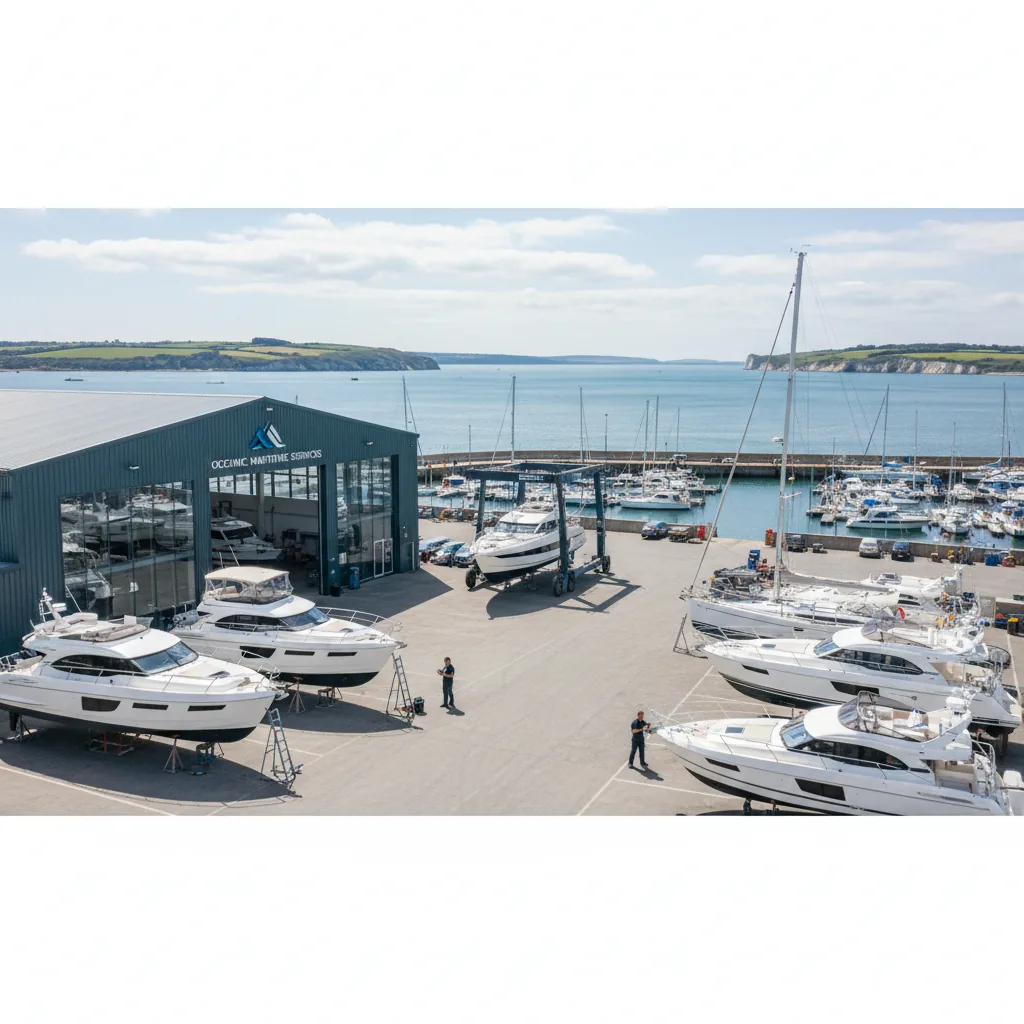
Best Marine Workshop Software for UK Boat Yards
Simplify your boat yard operations, increase technician billable hours, and improve job tracking with the right marine workshop software for UK businesses.
9 min read By PayCamp Yards TeamRunning a busy UK boat yard or marina is a complex balancing act. Between seasonal maintenance rushes, emergency repairs, and multi-stage refit projects, the logistics of managing a marine workshop can quickly become overwhelming. Relying on paper job cards, disconnected spreadsheets, or whiteboards often leads to missed billable hours, frustrated customers, and operational bottlenecks.
In the modern maritime landscape, purpose-built marine workshop software has moved from being a luxury to a necessity. For UK operators, finding a solution that integrates cleanly with existing workflows—while accounting for British standards in tax, reporting, and customer service—is the key to unlocking true profitability and efficiency.
Many UK boat yard managers initially attempt to use generic automotive or tradesman software to manage their workshops. However, the marine environment presents unique challenges that these tools aren't built to handle. Unlike a car garage, a marine workshop often manages assets that stay on-site for months, requires tracking of complex parts across various vessel types, and must coordinate with mobile engineers working on the pontoons.
Marine workshop software is specifically designed to handle the 'vessel-centric' nature of our industry. It allows you to link every bolt, hour of labour, and specialist subcontractor fee directly to a specific hull or customer account. This level of granularity is essential for maintaining accurate service histories, which is a significant value-add for your berth holders. Furthermore, incorporating this into your broader strategy involves following Marina Management Best Practices: A Guide for UK Operators to ensure your service department isn't operating in a silo.
The 10% Rule
When evaluating potential software, UK operators should prioritise features that directly impact the 'bottom line' and ease of use for technicians on the hardstanding. First and foremost is Digital Job Cards. These allow engineers to track their time using tablets or smartphones in real-time, reducing the risk of 'lost' hours that often occur when notes are transcribed at the end of the day.
Second is Inventory and Parts Management. In the UK, sourcing marine parts can involve complex supply chains. Your software should allow you to track stock levels, automate reordering, and instantly allocate parts to job cards as they are pulled from the stores. Third is integration with your financial suite. Effective boat yard billing systems ensure that as soon as a job is marked as complete in the workshop, an accurate, branded invoice is ready for the customer, complete with VAT breakdowns and itemised labour.
Data Security
The profitability of a marine workshop is tied directly to the efficiency of its engineers. Marine workshop software provides a bird's-eye view of your team's capacity. By using a visual scheduling board, managers can assign tasks based on skill set—ensuring your lead marine electrician isn't spending time on basic hull cleaning while specialist wiring jobs sit in the queue.
Providing technicians with mobile access to technical manuals, vessel history, and photos of previous repairs through the software allows them to work faster and with more confidence. This digital transparency also reduces the constant 'back-and-forth' between the workshop and the front office, allowing your team to stay focused on the vessels. This operational clarity is a cornerstone of optimising operations with berth management software, where workshop activities are synchronised with boat movements and lift-out schedules.
Health and Safety is paramount in UK boat yards. Modern marine workshop software allows you to attach Risk Assessments and Method Statements (RAMS) directly to work orders. Technicians can be required to 'sign off' on safety checklists before they can start recording time on a job, ensuring your yard remains compliant with HSE regulations.
Additionally, the software acts as a secondary log for equipment maintenance. Your own yard equipment—cranes, forklifts, and pressure washers—can be entered as assets within the system. Scheduled maintenance alerts ensure you never miss a LOLER inspection or a routine service, protecting your staff and your insurance standing.
Customer expectations in the UK marine sector have shifted. Boat owners now expect the same level of digital interaction they receive from other premium service industries. Marine workshop software enables automated updates, sending an SMS or email to the owner when their engine service is underway or when parts have arrived.
By providing clear, professional estimates and detailed digital service records, you build trust with your clients. When it comes time for a boat owner to sell their vessel, a complete, printed service history generated from your software adds tangible value to their boat—making them more likely to remain a loyal customer of your yard for their next vessel.
Founder & Lead Developer
Fourteen years living aboard, thirty years in IT, and five years supporting dealer management systems in the motor trade — back to configuring FoxPro-based dealer systems in 1998. Hamish has spent a long time on the customer side of a yard office, which is why PayCamp Yards is built for both sides of the counter.
Learn more about our team →PayCamp Yards: purpose-built software for UK boat yards.